

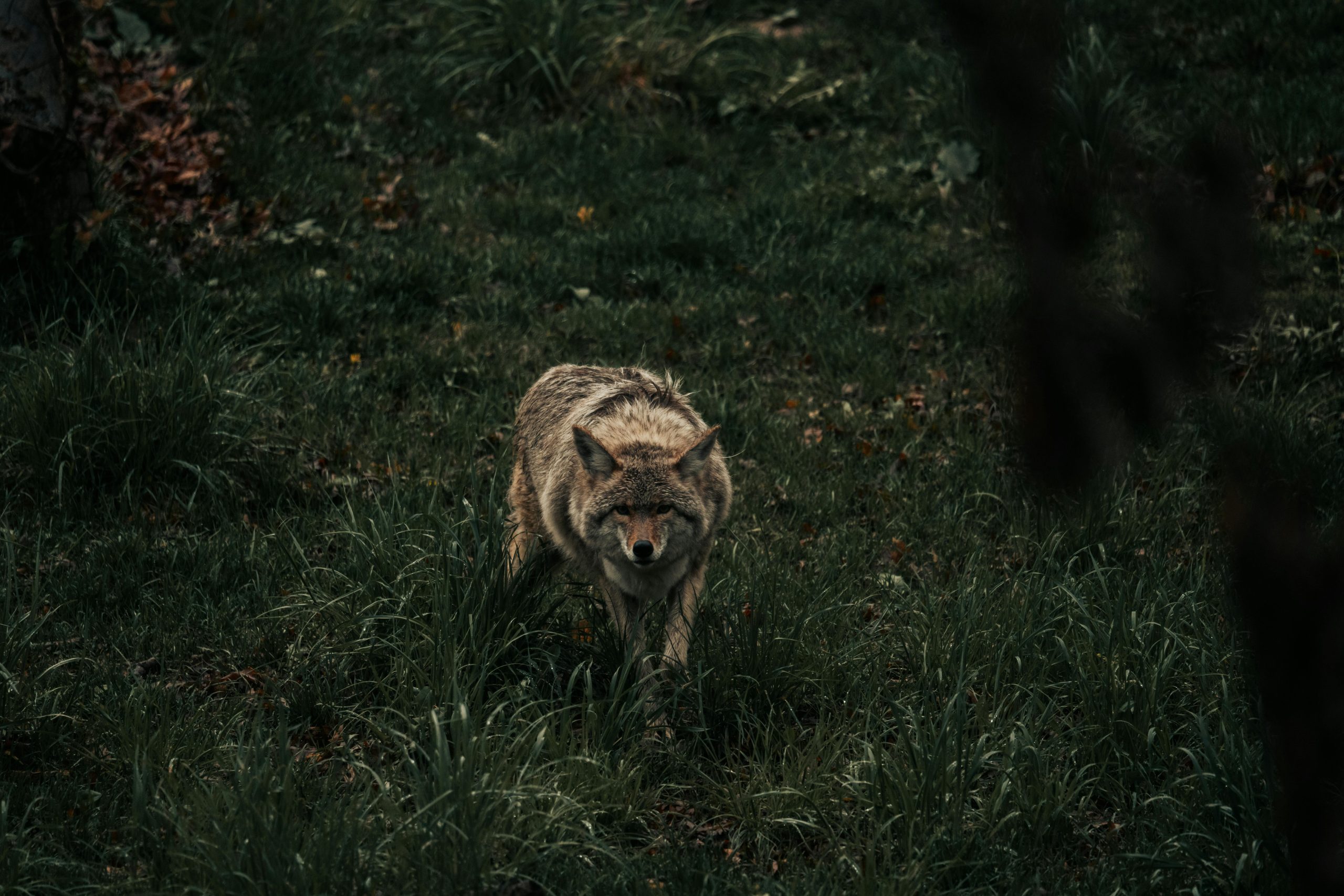
Across the diverse landscapes of the United States, wild predators play a vital role in maintaining ecological balance. From dense forests and rugged mountains to open plains and deserts, these animals help regulate prey populations and influence the health of entire ecosystems. While many people rarely encounter them directly, understanding common predators offers insight into how natural systems function and how humans can responsibly coexist with wildlife. The following sections explore some of the most widespread and well-known predators found across the country.
Gray Wolves: Icons of Wilderness and Recovery
Gray wolves are among the most iconic predators in North America. Once nearly exterminated from the contiguous United States, they have made a notable recovery in parts of the Northern Rockies, Upper Midwest, and Pacific Northwest. Wolves are highly social animals, living and hunting in structured packs that rely on cooperation and communication.
As apex predators, wolves primarily prey on large ungulates such as elk and deer. Their presence can reshape entire ecosystems by influencing prey behavior and distribution, which in turn affects vegetation and other wildlife. The restoration of wolves to areas like Yellowstone National Park has demonstrated how predators can trigger positive ecological changes, often referred to as trophic cascades.
Mountain Lions: Stealth Hunters of Broad Territory
Also known as cougars or pumas, mountain lions possess one of the widest ranges of any terrestrial mammal in the Western Hemisphere. In the United States, they are most common in the West, Southwest, and parts of Florida, but sightings have increased in the Midwest and even the eastern states in recent years.
Mountain lions are solitary and elusive, relying on stealth, patience, and powerful bursts of speed to ambush prey. Deer make up the majority of their diet, though they are capable of taking down animals much larger than themselves. Their adaptability allows them to survive in remote wilderness as well as on the fringes of expanding suburban development, making encounters with humans an increasing topic of wildlife management discussion.
Coyotes: Adaptable Predators Found Almost Everywhere
Few predators are as adaptable and widespread as the coyote. Once primarily limited to the central plains, coyotes now inhabit nearly every state, thriving in deserts, forests, farmland, and even major urban areas. Their intelligence, flexible diet, and high reproductive rates have allowed them to flourish alongside human activity.
Coyotes hunt small mammals such as rabbits and rodents but will also scavenge, eat fruits, and take advantage of available food sources. Their presence is often a key factor cited by outdoors enthusiasts when discussing regional wildlife conditions, particularly when weighing what some consider the best place for hunting in North America, as predator populations can significantly influence game numbers and animal behavior across different regions.
American Black Bears: Omnivores With Predatory Tendencies
While often thought of primarily as scavengers or foragers, American black bears are also capable predators. Found in forests across much of North America, black bears are highly adaptable and can live in environments ranging from swamps in the Southeast to mountainous terrain in the West.
Their diet is predominantly plant-based, including berries, nuts, and roots, but they will opportunistically hunt young deer, elk calves, and smaller animals when the chance arises. Black bears are intelligent and curious, which can lead to conflicts when food sources overlap with human settlements. Understanding bear behavior is essential for minimizing negative interactions and ensuring both human safety and wildlife conservation.
Birds of Prey: Aerial Predators of Varied Landscapes
Predation in the United States is not limited to land-based mammals. Birds of prey, including bald eagles, red-tailed hawks, owls, and peregrine falcons, are widespread and play crucial roles in controlling populations of smaller animals. These raptors rely on exceptional eyesight, keen hearing, and specialized hunting techniques tailored to their environments.
For example, owls dominate nighttime hunting, using near-silent flight to capture rodents, while hawks and eagles patrol open skies during the day. Their presence is often a sign of a healthy ecosystem, as raptors require stable food chains and relatively clean environments to thrive. Conservation efforts over recent decades have helped many species rebound after periods of decline, most notably the bald eagle.
Conclusion
Wild predators are an essential and enduring part of the American landscape. From the cooperative strategies of gray wolves to the adaptability of coyotes and the soaring vigilance of birds of prey, these animals contribute to the complexity and resilience of natural ecosystems. While they can sometimes create challenges for humans, especially as development expands into wild areas, predators also remind us of the importance of balance in nature. Appreciating their role encourages informed conservation, responsible land use, and a deeper respect for the wilderness that still shapes the United States today.
