

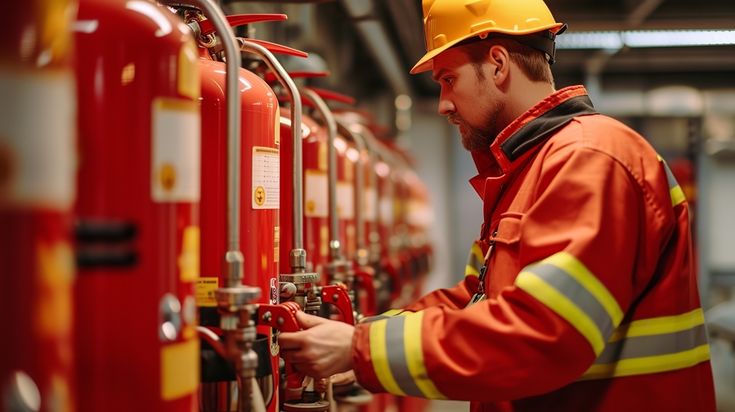
A busy work area can change within a short period. Materials move, equipment shifts, and temporary tasks can create unfamiliar risks. Close observation helps workers notice unusual conditions before they become serious concerns. Trained fire watch guards can remain focused while other workers manage their assigned duties. Their presence supports clear reporting when conditions around the work area change.
What Requires Close Attention?
Changing work conditions can create concerns beyond the immediate activity.Regular observation helps identify smoke, heat, sparks, or unsafe surroundings.Attention should cover both active areas and nearby spaces.
Which Checks Matter Most?
Simple checks can keep monitoring organised throughout active work.Each observation should focus on a different possible concern.
- Inspect nearby surfaces before workers begin their scheduled activities.
- Watch concealed areas where heat may remain unnoticed.
- Keep response equipment ready near active work locations.
- Observe unusual smoke, smells, warmth, or glowing materials.
- Report changing conditions promptly through established communication channels.
When Should Monitoring Continue?
Observation should not stop as soon as active work ends.Some materials may retain heat after equipment becomes inactive.A suitable monitoring period helps identify delayed warning signs.
Clear Duties Reduce Confusion
Every monitoring task should have a clearly assigned person.Workers should understand who receives reports about unusual conditions.
Simple responsibilities help prevent missed observations during busy periods.Clear communication also supports faster action when concerns appear.
Common Questions Answered
A few practical questions often arise during changing site conditions.Clear answers help workers understand basic monitoring responsibilities.
- How often should the monitored area be checked?
Checks should continue regularly throughout the approved monitoring period and work activity.
- What signs deserve immediate attention?
Smoke, unusual warmth, burning smells, and glowing materials deserve prompt attention.
- Should nearby rooms receive monitoring too?
Yes. Connected spaces may require observation when conditions can spread beyond work areas.
- Who should receive reports about changing conditions?
The designated supervisor or responsible contact should receive important observations quickly.
- Does monitoring stop when workers leave?
Not always. Post-work observation may remain necessary under established safety procedures.
Maintaining Reliable Observation
Consistent monitoring depends on attention rather than complicated procedures.The assigned person should remain alert throughout the required period.
Records can also help supervisors understand changing conditions across different tasks.Regular communication keeps workers informed when site circumstances shift.
What Supports Better Monitoring?
Several simple habits can improve observation during changing work periods.These actions help maintain awareness without adding unnecessary complexity.
- Confirm monitoring responsibilities before scheduled activities begin each time.
- Review nearby conditions whenever work arrangements change significantly.
- Keep communication methods available throughout the observation period.
- Record unusual findings for later review when necessary.
- Inspect surrounding spaces before releasing monitoring duties completely.
The table shows that different monitoring methods serve different purposes. Direct observation focuses on immediate activity while area checks consider surrounding spaces.
| Monitoring Approach | Main Focus | Suitable Situation | Main Consideration |
| Direct observation | Active work area | Ongoing repair activity | Requires steady attention |
| Area checks | Nearby surroundings | Changing site conditions | Covers wider spaces |
| Post work review | Remaining heat or smoke | After active work | Helps identify delayed concerns |
| Communication checks | Reporting process | Multi worker activities | Keeps responsibilities clear |
| Recorded observations | Site history | Repeated work periods | Supports later review |
Steady Site Awareness
Changing conditions require attention throughout the entire work period.Preparation should happen before activity begins.Observation should continue while circumstances remain active or uncertain.
When monitoring responsibilities are clearly understood, fire watch guards can maintain focused awareness around changing areas. Their observations can support timely reporting without interrupting normal work unnecessarily.
Consistent Oversight
Good monitoring comes from simple actions performed consistently.Work areas should be checked before activity starts.Surrounding spaces should remain under suitable observation.Changes should be reported through clear channels.Post work conditions should receive appropriate attention.
